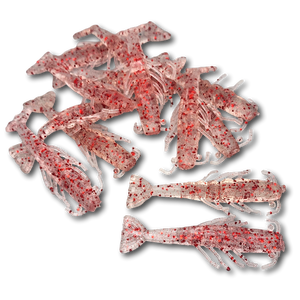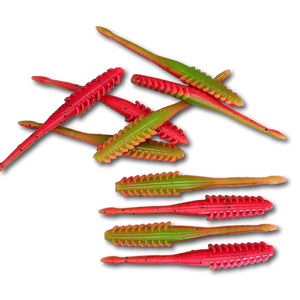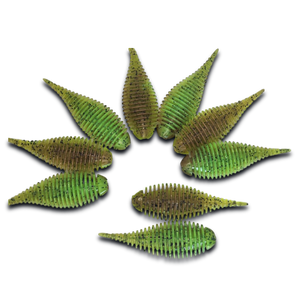



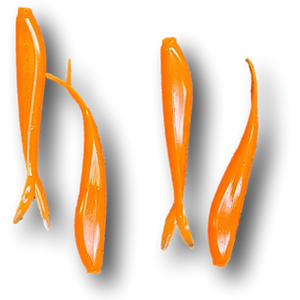

Four-Seven Lures 3" Mud Mite Soft Plastic Baits
$5.99
(No reviews yet)

Write a Review

Four-Seven Lures 3" Mud Mite Soft Plastic Baits
On-the-water overview (demo copy)
This is placeholder text for Jiggin’ Johnson’s new template shell.
Once we’re happy with the layout and behavior, we’ll plug in real product
descriptions, rigging tips, and JJ-specific language.
Specs & build (demo copy)
Specs & build (demo copy)
Care & storage (demo copy)
Care & storage (demo copy)
Best ways to fish it (demo)
Swim Jig Trailer
Shallow grass, slow roll
Texas Rig
Pitching to cover
Ball Jig Head
Dragging sand or rock
Split Shot
Natural subtle glides
How, where, and why it excels
Carolina Rig (micro • 1/8–3/16 oz • 12–24" leader)
When & where: River flats, points, seams, and eddies where nymphs/larvae drift.
How: Slow pull‑pause; feed a touch of slack so the bait glides and settles like a real hellgrammite.
Drop Shot (nose‑ or mid‑hooked • 1/8–3/8 oz)
When & where: Vertical edges, bridge pilings, and deep rock where smallmouth roam.
How: Hold in place with slack‑line shakes; tiny hops to let the legs breathe.
Ned / Midwest Finesse (1/16–1/5 oz)
When & where: Clear to stained water; gravel bars, rip‑rap, and rocky points.
How: Drag‑drag‑pause; most bites on the dead‑stick as the appendages hover.
Standard (Ball) Jig Head (1/16–3/16 oz)
When & where: Current seams and bottom transitions.
How: Crawl and creep, ticking rock; short micro‑hops after deflections.
Texas Rig (light • 1/16–1/8 oz • pegged)
When & where: Laydowns, docks, and edges where open hooks hang.
How: Short pitches; semi‑slack fall; shake in place to make the legs flare.
Weightless Rig — situational
When & where: Calm backwaters and shade pockets when a silent entry and slow glide sell the bite.
How: Skip, let it pendulum; add subtle twitches to keep the legs breathing.
Trim & Mods (quick hits)
- Nose trim: Remove 1/8–1/4" for an even tighter Ned profile in ultra‑clear water.
- Keeper dot: Tiny gel‑glue at the collar extends life on small jig heads.
- Scent: Gel scent helps with long dead‑sticks in current.
Dial it in (color classes)
- Natural Browns/Greens: Green Pumpkin, Mocha/Craw browns — clear water, rock/gravel, river smallmouth.
- Dark / Silhouette: Black Sapphire, Junebug — stain, night, storm fronts.
- Hi‑Viz: Chartreuse, Pink/Bubblegum — dingy water, spring rivers, and when you need to track the bait.
- Smokes/Translucents: Smoke, Watermelon with flake — sunny high‑vis lakes and sand/rock bottoms.
Specs & Build
- Length: 3.0" (76 mm)
- Profile: Hellgrammite/river‑bug style body with ribbing and multiple legs; designed to quiver at rest and breathe in current
- Material: Plastisol soft plastic
- Best Pairings: Ned (1/16–1/5), Ball head (1/16–3/16), Light Texas (1/16–1/8), Finesse C‑rig (1/8–3/16), Drop Shot (1/8–3/8)
- Hook Sizes: Ned/ball heads #1–1/0; Texas 1/0 EWG or finesse straight‑shank
- Species: Smallmouth/Largemouth/Spots; also catches walleye/trout in river systems
- Availability: Ships promptly when in stock.
Care & Storage
Store flat in the original bag; separate darks/lights to avoid dye bleed. Keep away from Elaztech to prevent melting.
Plastics Recycling
Recycle or dispose of torn baits properly. Learn more here: Soft Plastics Recycling.
Proof & Community
On‑the‑Water Notes
- Current game: Cast 45° upstream with a 1/8 oz ball head; let it tumble naturally and lift only to keep contact.
- Cold fronts: Ned drag‑pause on gravel—bites often come on the dead‑stick as the legs hover.
- Docks/laydowns: Micro‑Texas; short pitches and shake in place to flare the appendages.
Q&A
Q: Why choose a Mud Mite over a craw or minnow?
A: In rivers and pressured lakes, fish key on aquatic insects. The compact, leggy profile gets commitment when shad/craw imitators get ignored.
Q: Any river‑specific tips?
A: Think drift first: match current speed, keep bottom contact without dragging trenches, and make long pauses in eddies where naturals collect.