
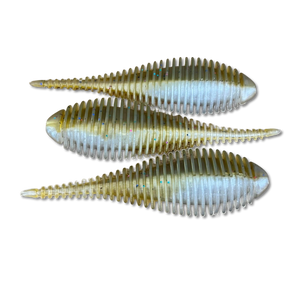

Blind Squirrel Baits Gilley Shad 3.8" Gilley Soft Plastic Bait
$7.99
(No reviews yet)

Write a Review
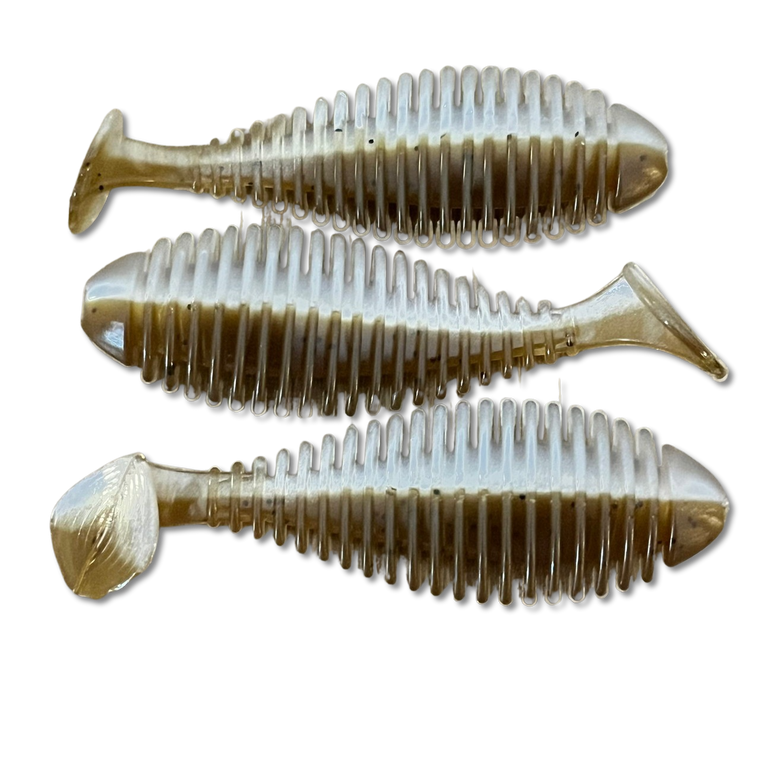
Blind Squirrel Baits Gilley Shad 3.8" Gilley Soft Plastic Bait
On-the-water overview (demo copy)
This is placeholder text for Jiggin’ Johnson’s new template shell.
Once we’re happy with the layout and behavior, we’ll plug in real product
descriptions, rigging tips, and JJ-specific language.
Specs & build (demo copy)
Specs & build (demo copy)
Care & storage (demo copy)
Care & storage (demo copy)
Best ways to fish it (demo)
Swim Jig Trailer
Shallow grass, slow roll
Texas Rig
Pitching to cover
Ball Jig Head
Dragging sand or rock
Split Shot
Natural subtle glides
Bladed Jig
When/Where: Stained water, wind, or anytime you need extra vibration around grass edges, docks, and riprap.
How: Thread the Gilley Shad on as a trailer. Keep a steady retrieve and pop it free when it ticks cover.
Why: The ribbed body pushes water and the paddle tail adds a second layer of kick behind the blade for a fuller “bait-ball” vibe.
Spinnerbait
When/Where: Windy banks, shallow flats, and around sparse grass where fish track by flash.
How: Use it as a trailer to add bulk and stabilize the bait on a slow-roll or a steady mid-column retrieve.
Why: You get a cleaner, more “meaty” profile without losing speed control—especially useful when fish swipe short.
Swim Jig
When/Where: Shallow grass lanes, reeds, and dock posts—anywhere you want a compact swimmer that comes through cover.
How: Match the trailer length to your jig so the paddle tail sits just behind the skirt. Swim it steady and add short pauses.
Why: The tail keeps working at slower speeds, and the ribs add subtle vibration that helps fish find it in mixed clarity.
Underspin
When/Where: Clear to lightly stained water, over points, along weedlines, and through suspended bait.
How: Thread it straight and keep it level. Count it down and use a steady retrieve with occasional “stutters.”
Why: Flash from the blade + the Gilley Shad’s tail kick is a great “match-the-hatch” look for shad- and perch-fed fish.
Drop Shot
When/Where: Vertical or short-cast finesse on edges, deeper grass tops, or when fish follow but won’t commit.
How: Nose-hook for maximum shimmy, or Texas-rig it for cover. Use tiny shakes—let the tail do the work.
Why: The ribs “hold” water movement and the paddle tail pulses even with minimal rod input.
Standard (Ball) Jig Head
When/Where: Open-water swimming, rock/sand transitions, and anywhere you want simple and efficient.
How: Thread it straight and swim it just above bottom, or slow-roll it along edges.
Why: The compact shad profile and tail kick give you a reliable “search” bait that still feels finesse-friendly.
Texas Rig
When/Where: Around wood, reeds, and thicker vegetation where you need a weedless shad look.
How: Rig straight, keep it compact, and swim it through openings; add short hops when it hits cover.
Why: You get a swimbait-style tail with a snag-resistant presentation for tight spots.
Weighted Swimbait Hook
When/Where: Shallow grass and docks where a single-hook swimmer comes through cleaner than a jig head.
How: Use a keel-weighted hook, keep the body perfectly centered, and vary speed until you find the cadence.
Why: A stable, natural swim plus a weedless hook-up for cover-oriented fish.
Weightless Rig
When/Where: Ultra-shallow, calm conditions, or when fish are spooky and you want a soft entry.
How: Rig weedless and let it glide on a slow, level retrieve with occasional pauses.
Why: The ribs add presence without needing speed, and the tail still “ticks” on subtle movement.