

Barracuda Baits 3.6" Thump Shad Pro Series Soft Plastic Bait
$7.99
(No reviews yet)

Write a Review
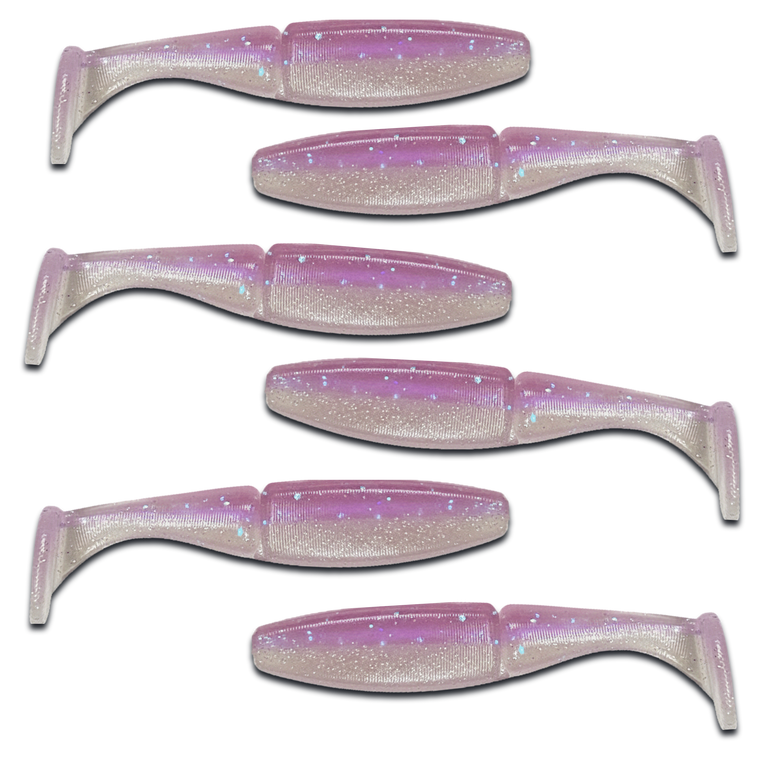
Barracuda Baits 3.6" Thump Shad Pro Series Soft Plastic Bait
On-the-water overview (demo copy)
This is placeholder text for Jiggin’ Johnson’s new template shell.
Once we’re happy with the layout and behavior, we’ll plug in real product
descriptions, rigging tips, and JJ-specific language.
Specs & build (demo copy)
Specs & build (demo copy)
Care & storage (demo copy)
Care & storage (demo copy)
Best ways to fish it (demo)
Swim Jig Trailer
Shallow grass, slow roll
Texas Rig
Pitching to cover
Ball Jig Head
Dragging sand or rock
Split Shot
Natural subtle glides
Swim Jig Trailer
When & Where: Shallow flats, submerged grass edges, and laydowns where a swim jig needs a shad-profile kicker to seal the deal.
How: Thread the Thump Shad straight on the hook so the paddle tail kicks freely. Slow-roll just above bottom or through the upper water column depending on where fish are holding.
Why: The thump-style paddle tail adds strong low-frequency vibration that swim jig skirts alone can't produce, giving bass and walleye an easy target to zero in on.
Tuning: Match tail action to retrieve speed. Slow roll produces a wide, lazy beat. Speed up for a tighter, more aggressive kick.
Underspin
When & Where: Open water, wind-blown points, current seams, and any situation where you need a shad profile at mid-depth without dragging bottom.
How: Thread it straight and keep the retrieve slow and steady. Let the willow blade and paddle tail work together. Count it down to the target depth before engaging.
Why: The blade flash and paddle tail thump combine for a one-two trigger that walleye and bass both respond to, especially in clearer water with decent light.
Tuning: Heavier underspin heads get you deeper; use lighter heads to keep it in the upper column over submerged structure.
Standard (Ball) Jig Head
When & Where: Gravel, sand, and hard-bottom transitions. Great for walleye sweeps across flats and bass working rocky points.
How: Thread it straight and swim it low, or "tick" bottom with short lifts and slow drops. The paddle tail kicks on even slight movement, so you don't need much to generate action.
Why: The ribbed shad body pushes water on the fall and the paddle delivers that thumping beat walleye and bass key on when they're in feeding mode.
Tuning: Go lighter for slower falls and more hang time. Go heavier in wind or current to maintain bottom contact.
Weighted Swimbait Hook
When & Where: Grass, wood, and mixed cover where you need a weedless shad profile that still swims true.
How: Rig it Texas-style on the swimbait hook and swim it steadily through or just above the cover. Let the bait do the work.
Why: You get the thump-style paddle action in a weedless setup, which means you can put it exactly where the fish are holding without hanging up.
Tuning: Screw-lock style hooks keep it riding straighter through thicker cover. Adjust screw-in weight for depth.
Drop Shot
When & Where: Suspended fish, deep structure, and pressured walleye or bass that need a smaller, more subtle shad presentation.
How: Nose-hook it or rig it straight through the body. Keep it close to bottom or hold at the depth fish are marking. Small shakes and pauses are all it needs.
Why: At 3.6", it reads as a realistic shad without being oversized. The paddle tail twitches on the lightest rod shake, which is deadly when fish are in a looky-but-not-grabby mood.